
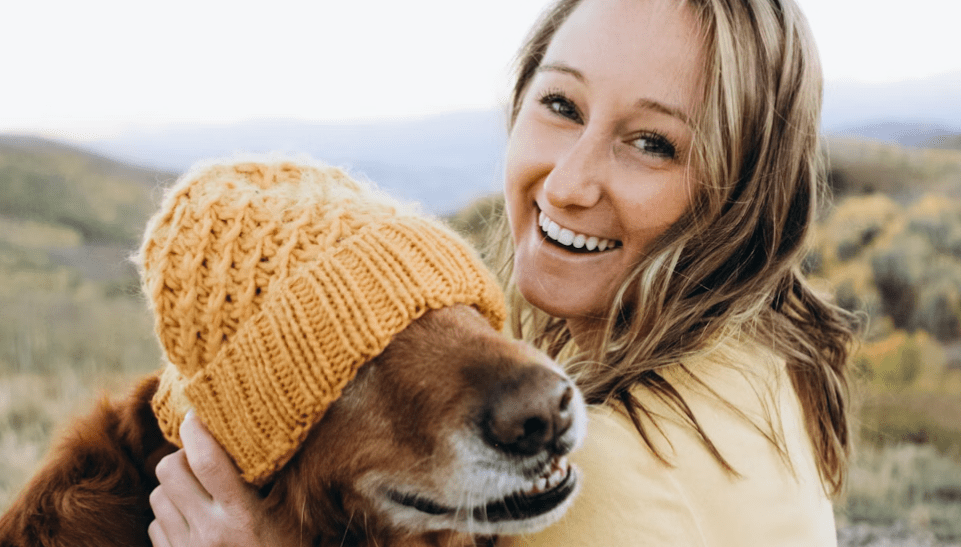
1.When is a dog considered a senior?
There is no universal age, as it depends mainly on size:
- Small dogs (under 10kg): around 8–9 years old
- Medium dogs (10–25kg): around 7–8 years old
- Large/giant dogs (over 25kg): as early as 5–6 years oldCommon signs include graying fur, less activity, more sleeping, and reduced vision or hearing.
2.What should I pay attention to in a senior dog’s diet?
Senior dogs have slower metabolism and weaker digestion:
- Choose low-fat, easy-to-digest senior dog food
- Control calories to prevent obesity and reduce joint/organ stress
- Provide high-quality protein to maintain muscle mass
- Add supplements like fish oil and glucosamine for joints and heart
- Feed smaller, more frequent meals
- Ensure plenty of fresh water to support kidney and urinary health
3.How to care for a dog with joint problems?
Senior dogs commonly suffer from arthritis and joint degeneration:
- Avoid intense running, jumping, climbing stairs, or jumping on furniture
- Provide soft, non-slip bedding to reduce joint pressure
- Keep exercise gentle: short, slow walks
- Use joint supplements: glucosamine, chondroitin, fish oil
- Maintain a healthy weight; obesity worsens joint pain
- Keep your dog warm in cold weather, as cold increases discomfort
4.What are the signs of cognitive decline in senior dogs?
Canine cognitive dysfunction is similar to dementia in humans:
- Restlessness at night, barking, reversed sleep schedule
- Getting lost, stuck in corners, unable to find doors
- Forgetting house training, having accidents indoors
- Less interaction with owners, slow to respond
- Pacing aimlessly or staring into space
- Failing to recognize familiar people or places
5.How can I make my senior dog more comfortable?
Key ways to improve comfort for senior dogs:
- Use non-slip flooring to prevent slips and falls
- Provide low beds or ramps for easy access
- Keep the environment calm and well-lit to reduce anxiety
- Stick to a regular routine and avoid sudden changes
- Give gentle massages to relieve stiffness
- Serve warm, easy-to-digest food
- Regularly clean ears, teeth, and paws for hygiene
6.What exams do senior dogs need every year?
Senior dogs should have a full checkup every 6–12 months:
- Blood work: CBC and biochemistry (liver, kidney, glucose, lipids)
- Urinalysis to screen for kidney and urinary issues
- Heart evaluation: auscultation, blood pressure, ECG or ultrasound
- Thyroid function test
- Dental exam and cleaning
- Abdominal ultrasound to check for tumors or organ changes
- Weight, body condition, and joint assessment
7.What are early signs of heart disease in senior dogs?
Early heart disease in dogs is often overlooked:
- Mild coughing, especially after exercise or at night
- Easy panting, rapid breathing
- Decreased stamina, tiring quickly
- Swollen abdomen from fluid buildup
- Bluish or pale gums and tongue (lack of oxygen)
- Sudden fainting or weaknessSeek veterinary care immediately if these signs appear.
8.Is it normal for senior dogs to become clingy or aggressive?
It is common but should not be ignored:
- Clinginess usually comes from poor vision/hearing, insecurity, or anxiety
- Aggression often indicates pain (joints, mouth, organs) or confusionSudden personality changes with loss of appetite or energy are usually signs of discomfort, not bad behavior. A full checkup is recommended.
9.What to do if a senior dog loses appetite and won’t eat?
- Check for mouth pain, ulcers, or loose teeth
- Warm food slightly to improve smell and taste
- Switch to wet food or minced meat for easier eating
- Feed small meals in a quiet area
- Rule out organ issues: kidney disease, liver problems, gastritis, heart disease
- Do not force-feed; consult a vet if refusal continues
10.How to care for a dog with failing vision or hearing?
- Keep furniture and layout unchanged
- Speak softly and approach slowly to avoid startling
- Use hand signals and visual cues
- Keep your dog on a leash outdoors to prevent accidents
- Use gates to block stairs and prevent falls
- Provide extra comfort and reassurance to reduce anxiety
11.How to tell if a senior dog is in pain?
Dogs hide pain well; watch for these signs:
- Reluctance to walk, jump, or be held
- Stiffness, difficulty standing or lying down
- Loss of appetite, low energy
- Rapid breathing, shivering, hiding
- Flinching or growling when touched in certain areas
- Licking or chewing one spot excessivelyPersistent signs mean your dog is likely in pain and needs veterinary care.
12.Why do senior dogs start having accidents in the house?
Sudden indoor accidents in senior dogs are rarely behavioral—usually medical:
- Cognitive decline: forgetting house-training, similar to dementia
- Joint pain: difficulty standing, going outside, or squatting in time
- Urinary issues: urinary tract infection, cystitis, stones
- Organ diseases: kidney disease, diabetes, Cushing’s (increased drinking and urination)
- Weakened sphincter: loss of bladder control with age
- Anxiety: changes in environment, noise, or owner absenceAlways consult a vet first to rule out medical causes before training.
13.Do senior dogs still need exercise? How much is enough?
Senior dogs still need gentle exercise, but not intense activity like adult dogs:
- Purpose: maintain muscle, joint flexibility, digestion, and mood
- Frequency: 1–2 times per day, short and slow
- Duration: 5–15 minutes each time, adjusted based on energy
- Style: slow walking only; avoid running, jumping, stairs, or chasing
- Stop when: panting, tired, or refusing to move
- Avoid exercise in extreme heat, cold, or wet weather
- Dogs with arthritis or heart disease need even less activity
14.What are the signs that a senior dog is nearing the end of life?
Senior dogs in their final stage often show these clear signs:
- Prolonged lethargy, extreme tiredness, and unwillingness to move
- Complete refusal to eat or drink, or very little intake
- Difficulty standing, unsteady walking, or inability to stand at all
- Weak, rapid, or irregular breathing, including open-mouth breathing
- Low body temperature, cold ears and limbs
- Loss of bladder and bowel control
- Hiding in corners, ignoring the owner’s calls
- Pale gums, dehydration, and severe weight loss
15.When multiple signs appear, the dog is likely in its final days.
How to help a senior dog live peacefully in its final days?
To help your senior dog pass peacefully, focus on reducing pain and providing comfort:
- Keep the environment quiet, warm, and free of stress
- Provide soft, supportive bedding for easy resting
- Clean up accidents promptly to keep the body clean and dry
- Follow vet advice for pain relief and calming medications
- Stay close, speak gently, and reduce anxiety
- Do not force food; offer small amounts of warm water or soft food
- Avoid unnecessary exercise, bathing, or going out
- If suffering is uncontrollable, discuss humane euthanasia with your vet to prevent unnecessary pain
 SeniorPaws
Leave a comment