
Nutrition is key to your dog’s health at every life stage—it maintains wellness, prevents disease, and even manages certain conditions. But aging alone doesn’t always mean your dog needs a diet change.
With so many “mature,” “aging,” and “senior” dog food options—plus all-life-stage formulas—it can be confusing to know if a switch is right for your senior pup.
Do Senior Dogs Need Senior Dog Food?
The decision to switch to senior dog food depends on several factors: your dog’s health, disease risk, and lifestyle. Your vet is your best resource for personalized recommendations.
The main goals of feeding a senior dog are simple: prevent or manage disease, and support longevity. If your dog has a nutrition-influenced condition, it may be time to switch—this is the top factor to consider.
What Makes Senior Dog Food Different?
Senior dog foods may vary in ingredients and nutrients, but not always. For example, adult dog food has 18-30% protein (dry matter), while senior formulas range from 18-23%—a small difference.
The key distinction is added nutrients that help manage common senior dog conditions. Always read labels, and check with your vet before switching.
All dog foods (regardless of life stage) should meet AAFCO’s nutrient standards—but AAFCO approval doesn’t guarantee the food will prevent or manage specific diseases.
Which Conditions Can Senior Dog Food Help Manage?
Many common senior dog conditions can be managed, in part, with nutrition, including dental disease, obesity, cognitive dysfunction, kidney disease, arthritis, skin issues, and certain cancers. Nutritional changes can slow disease progression or reduce symptoms.
- Dental disease: Senior dry foods with specialized kibble (shape, texture) reduce plaque; canned food is better for dogs with few or no teeth.
- Arthritis: Formulas with glucosamine, chondroitin, and omega-3s (EPA, DHA) support joints; supplements may be recommended if a therapeutic diet isn’t needed.
- Kidney disease: Vets often suggest high-quality senior food with low (but quality) protein, or a prescription therapeutic diet.
When Should You Switch to Senior Dog Food?
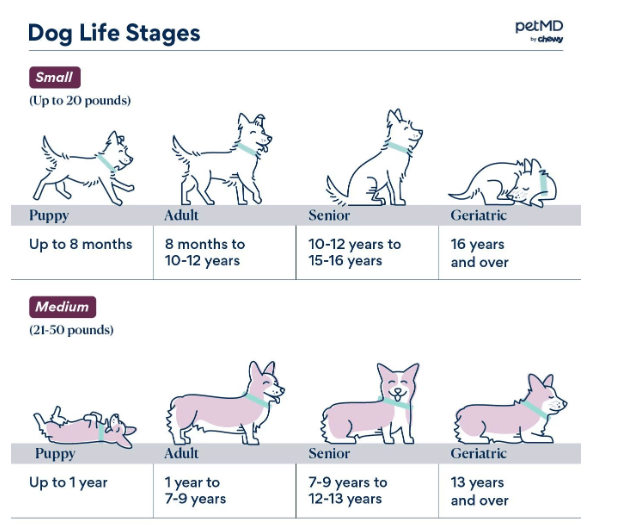
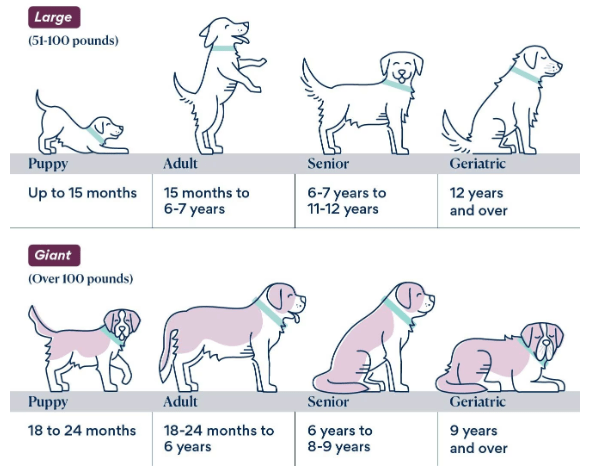
Most dogs are “mature adults” at 6-8 years old and move to “senior” at 8+, but this varies by breed and size. Importantly, age alone isn’t enough—if your senior dog is healthy and maintains a good weight, a diet change may not be necessary. Your vet will help determine when (if ever) to switch.
How to Choose the Best Senior Dog Food
Always consult your vet first. Here are simple tips for a smooth transition:
- Try the senior version of your dog’s current food (same brand/texture) to avoid digestive upset.
- If no senior version exists, choose a formula with similar ingredients (e.g., chicken and rice if that’s what they’re used to).
- Opt for size/breed-specific senior food (small/large breed) for tailored kibble and nutrients.
- Follow your vet’s advice for therapeutic/prescription diets (for managed conditions)—these address senior health issues even if they don’t say “senior” on the label.
- Transition slowly over 7-14 days: mix small amounts of new food with old, increasing the new food gradually. Stop and contact your vet if digestive upset occurs (vomiting, diarrhea, loss of appetite).
Choosing the right senior dog food comes down to your dog’s unique needs. Your vet is your best partner in making this decision.
 SeniorPaws
Leave a comment