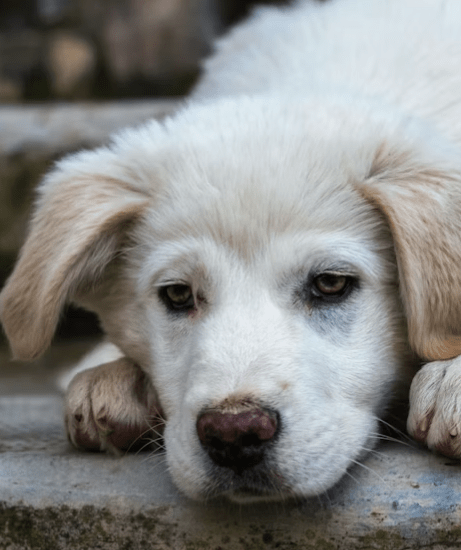
If you own a white or light-colored dog, you’re probably familiar with this frustration: those stubborn reddish-brown stains stretching from their eyes down to their cheeks. No matter how often you bathe them, these stains make beautiful Maltese, Bichon Frises, or white Poodles look perpetually tired or dirty.
These tear stains are more than just a cosmetic issue—they may indicate underlying health problems and can lead to secondary infections if left untreated. Let’s explore the causes of tear stains, safe removal methods, and how to prevent them from coming back.
I. What Are Tear Stains? The Science Behind the Stains
1. The Cause of Stains: Oxidation of Porphyrins
The stubborn reddish-brown color is caused by porphyrins—iron-containing molecules naturally present in tears, saliva, and urine.
When tears flow down the fur and dry, porphyrins oxidize (react with oxygen and light), changing from transparent to rust-colored. This is essentially the process of iron in the tears “rusting” on your dog’s face.
Here’s why this happens:
- White and light-colored dogs show these stains most easily (dark-colored dogs also have porphyrins, but they’re invisible to the naked eye).
- Stains darken over time (due to continuous oxidation).
- Sunlight worsens the situation (ultraviolet rays accelerate oxidation).
2. Normal Tear Production vs. Excessive Tearing
All dogs produce tears. But excessive tearing (epiphora) exacerbates tear stains. The causes include:
(1)Anatomical Factors
- Shallow eye sockets (common in brachycephalic breeds)
- Blocked tear ducts
- Distichiasis (double rows of eyelashes)
- Entropion (eyelids rolling inward)
- Narrow or small tear ducts
(2)Environmental Factors
- Allergies (food or environmental)
- Irritants (smoke, dust, perfume)
- Dry air
- Wind
(3)Health Factors
- Eye infections
- Ear infections (surprisingly, they’re linked to tearing)
- Puppy teething
- Stress
3. Most Affected Breeds
Tear stains are particularly common in these breeds:
Maltese, Bichon Frise, Shih Tzu, Poodle (especially white/cream), Havanese, Lhasa Apso, Pekingese, Cocker Spaniel, Bulldog, Pug.
These breeds often have shallow eye sockets, long facial fur that easily absorbs tears, or naturally excessive tear production.
4. The Red Yeast Problem
If tear stains have an odor or the area seems irritated, there may be a secondary issue: a red yeast infection.
When fur remains constantly moist from tears, it creates a warm, damp environment—perfect for yeast to grow. This yeast (usually Malassezia or its red variant) can cause:
- Darker reddish-brown discoloration
- Foul odor
- Itching or irritation
- Skin inflammation under the fur
Treating tear stains also means treating any existing yeast infection.
II. How to Remove Existing Tear Stains
1. Daily Maintenance Cleaning
The foundation of controlling stains is keeping the area clean and dry.
You’ll need:
- Warm water or sterile saline solution
- Soft cotton pads, gauze, or a clean cloth
- Optional: Vet-approved eye wipes for pets
Process:
- Soak a cotton pad in warm water or saline.
- Gently wipe from the inner corner of the eye outward.
- Wipe stained fur in the direction of hair growth.
- Thoroughly dry the area with a dry cotton pad.
- Repeat 1-2 times daily.
Key point: The drying step is crucial. More moisture means more yeast and darker staining.
2. Treating Fur Stains
For stubborn stains that won’t wipe away:
DIY Solutions
- Contact lens solution: Can be used as daily wipes. Helps break down porphyrins. Safe near the eyes.
- Colloidal silver spray: Has mild antibacterial/antifungal properties. Apply to a cloth and wipe (do not spray near the eyes).
- Diluted apple cider vinegar (1:1 with water): For fur only—avoid contact with eyes. Helps with yeast infections. Test on a small area of skin first—it may irritate some dogs.
Professional Products
Look for tear stain removers that:
- Do not contain antibiotics (antibiotics should not be used this way)
- Do not contain tylosin (a controversial ingredient)
- Are pH-balanced
- Designed for use near the eyes
Popular vet-recommended products include Eye Envy, Angels’ Eyes Gentle Tear Stain Wipes, and Burt’s Bees Tear Stain Remover.
3. “Blueberry Facial”
Pet groomers often use a “blueberry facial” to remove tear stains. Here’s what it involves:
- Gentle exfoliating treatment
- Rich in antioxidants (blueberry extract)
- Helps remove surface stains
- Can be done at home with dog-specific products.
Look for products specifically formulated for this purpose—do not use human products.
4. What to Do About Stubborn Stains
If stains have been present for months or years, the fur itself may be permanently discolored. In this case:
- Have a professional groomer carefully trim the stained fur.
- Keep new growth clean and dry.
- Be patient (as clean fur grows in).
You cannot safely remove these stains with bleach. Products claiming to “bleach” stains are usually too harsh for use near the eyes.
III. Preventing Future Stains
Removal is only half the battle—prevention is key to keeping them from coming back.
Step 1: Check the Water Quality
Tap water is often the culprit. Municipal tap water contains:
- Iron (exacerbates porphyrin staining)
- Minerals
- Chlorine
Solutions:
- Switch to filtered water (e.g., Brita pitcher or similar)
- Or use distilled water
- Or use bottled spring water
Many owners report significant improvement with this single change.
Step 2: Upgrade the Diet
Diet affects tear production and porphyrin levels:
Avoid:
- Foods with artificial colors (especially red dyes)
- High-filler foods
- Foods with excessively high iron content
Choose:
- High-quality protein sources
- Limited-ingredient diets if allergies are suspected.
- Foods without artificial additives
Consider:
- A food trial to rule out food allergies (a common cause of excessive tearing).
- Adding probiotics (gut health affects overall inflammation)
Step 3: Address Allergies
Allergies cause inflammation and excessive tearing:
Environmental allergies:
- Keep the face clean after outdoor activities.
- Wipe paws to prevent allergen-covered paws from rubbing the face.
- Consider using an air purifier.
- Wash bedding regularly.
Food allergies:
- Work with your vet to develop an elimination diet plan.
- Common culprits: chicken, beef, grains, dairy
Step 4: Keep the Face Dry
Moisture is the enemy:
- Dry the face after drinking.
- Use a water bottle or no-drip bowl.
- Clean the face after meals.
- Always dry thoroughly after cleaning.
Step 5: Groom Facial Fur
Long facial hair can channel tears down the cheeks:
- Trim eye-area fur regularly.
- Schedule regular grooming appointments.
- Use a small comb to keep the area tidy.
IV. What Not to Use
- Hydrogen peroxide near the eyes: Can cause chemical burns.
- Bleach: Absolutely not—toxic and dangerous.
- Tylosin (antibiotic) powder: Once sold under brands like “Angels’ Eyes,” it’s now highly controversial. Routine use of antibiotics for cosmetic purposes leads to antibiotic resistance.
- Human makeup removers: Not formulated for dogs and often contain irritants.
- Alcohol: Painful and drying.
- High-concentration boric acid: May be irritating or toxic.
Stick to products specifically designed for pet eye care.
V. When to See a Vet
Consult your vet if you notice any of the following:
Eye Issues:
- Squinting or keeping eyes half-closed
- Redness in the eye itself (not just the surrounding fur)
- Green, yellow, or thick discharge
- Cloudy eyes
- Pawing at the eyes
Stain Changes:
- Sudden increase in tear production
- Stains appearing on only one side
- Foul odor (may indicate a yeast infection)
- Skin irritation or hair loss at the stained area
Underlying Issues:
- If tear stains are accompanied by an ear infection (there’s a link between the two)
- If your dog seems uncomfortable or is scratching their face
- If no improvement is seen after one month of home remedies
Your vet can check for:
- Blocked tear ducts (sometimes treatable with flushing)
- Eye infections requiring prescription treatment
- Entropion or other anatomical issues
- Allergy testing and management
The American Veterinary Medical Association’s (AVMA) eye care resources provide more guidance on when veterinary care is needed for eye issues.
VI. A Realistic Timeline
Improvement doesn’t happen overnight:
- Weeks 1-2: Daily cleaning to prevent new stains.
- Weeks 3-4: Old stained fur may start to lighten.
- Months 2-3: New clean fur gradually takes over as stained fur grows out and is trimmed.
- Month 3 and beyond: Consistent prevention keeps the face clean.
Patience is key. You’re waiting for stained fur to grow out and be replaced by new fur.
VII. Daily Maintenance Routine
For best results, establish a daily routine:
Morning:
- Gently wipe the eye area with a cotton pad dampened with warm water or saline.
- Wipe fur around the face.
- Thoroughly dry with a clean, dry pad.
- Apply preventive product if using.
Evening (optional):
- Quick wipe to remove dirt accumulated during the day.
- Thoroughly dry.
Weekly:
- Check for redness, irritation, or odor.
- Trim facial fur if it’s getting too long.
- Evaluate progress.
The Bottom Line
Tear stains in white dogs are caused by the oxidation of porphyrins in tears on the fur. While primarily a cosmetic issue, persistent moisture in the area can indicate underlying health problems and lead to secondary yeast infections.
Key strategies:
- Clean daily to remove tears before stains set.
- Dry thoroughly to prevent yeast growth.
- Switch to filtered water to reduce mineral intake.
- Address allergies if present.
- Trim facial fur regularly to reduce moisture absorption.
- Be patient as stained fur grows out.
With consistent, careful care, even dogs with severe fur staining can have clean, bright faces. It takes time and daily attention.
Frequently Asked Questions
Are tear stains on white dogs harmful or just cosmetic?
Tear stains themselves are primarily cosmetic, but if left untreated, persistent moisture on the fur can lead to secondary yeast or bacterial infections. The reddish-brown discoloration is caused by porphyrin oxidation on the fur, which is harmless on its own, but the skin under the stains can become irritated and infected if kept moist long-term.
Why do some white dogs get tear stains more easily than others?
Breeds with shallow eye sockets (e.g., Maltese, Shih Tzu, Bichon Frise), blocked or narrow tear ducts, and brachycephalic breeds are more prone to epiphora (excessive tearing). Food allergies, environmental irritants, and even mineral content in drinking water can exacerbate tear stains in susceptible dogs.
Can changing my dog’s diet reduce tear stains?
Yes, diet plays an important role. Switching to a high-quality dog food without artificial colors, fillers, or common allergens may reduce tearing caused by food allergies. Some owners also report improvement when switching from tap water to filtered or distilled water, as iron and minerals in tap water can worsen porphyrin staining.
 SeniorPaws
Leave a comment