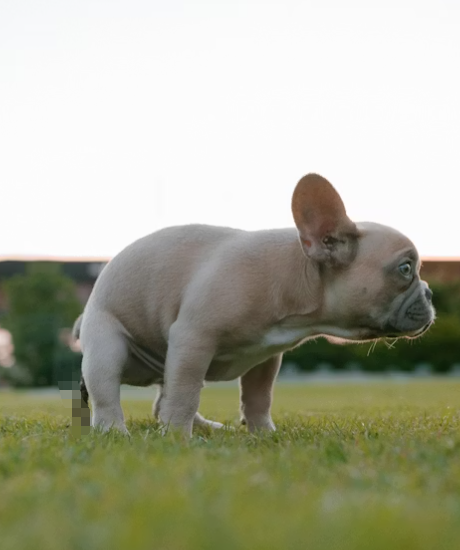
Dogs cannot actively tell us when they are unwell, but changes in the color, texture, and frequency of their feces are important signals reflecting their intestinal health, indicating potential hidden dangers such as dietary problems, infections, and parasites. Below is a detailed interpretation of the relationship between dog feces and intestinal health, as well as how to maintain your dog’s intestinal health.
I. Standards for Healthy Dog Feces
1. Color
Healthy feces are chocolate brown, indicating normal digestion and a healthy gastrointestinal tract; diet slightly affects the color—feces are darker if the main diet is red meat, and lighter if the main diet is white meat, chicken, fish, or other proteins. Be alert to the following abnormal colors:
- Gray/White: Excluding the normal discoloration after being placed in the sun, if such feces are excreted directly, it may indicate liver or pancreas problems and require immediate medical attention;
- Yellow/Orange: May be a sign of biliary or liver abnormalities, so it is recommended to consult a veterinarian in a timely manner;
- Black and Tarry: Indicates upper gastrointestinal bleeding, so an appointment with a veterinarian is needed for examination;
- Bright Red Blood Streaks: Mostly caused by lower gastrointestinal bleeding. Check if there is a wound around the anus or if anal fissures are caused by straining due to constipation. It may also be a sign of serious diseases such as colitis, parasites, etc.;
- Colorful Spots: Mostly due to eating fresh fruits and vegetables (no need to worry); if white rice-like spots appear in the feces, it may indicate that the dog has parasites in the body, and a veterinarian is needed to formulate a deworming plan.
2. Shape and Texture
Healthy feces are cylindrical and firm, similar to plasticine. Soft and shapeless feces indicate an imbalance of intestinal flora; overly hard feces may be a sign of constipation, dehydration, or lack of dietary fiber.
3. Size and Frequency
The size and frequency of feces are mainly affected by the diet: a high-fiber diet will increase the amount of feces and the frequency of defecation, while a low-fiber, easily digestible diet will result in smaller and harder feces; high-quality dog food usually produces less feces due to high nutrient absorption rate. The amount of defecation should be proportional to the amount of food intake. If the frequency of defecation or the amount of each defecation is abnormally increased, it may be due to excessive fiber intake and poor nutrient absorption.
II. Common Causes of Abnormal Dog Feces
- Improper Diet: Eating spoiled food, garbage, or non-food items can quickly cause gastrointestinal discomfort in dogs, leading to diarrhea and abnormal fecal texture;
- Food Allergies/Intolerance: Allergies to ingredients such as beef, chicken, wheat, and soy may cause frequent diarrhea, mucus in feces, and abnormal colors. It is necessary for a veterinarian to help identify allergens;
- Intestinal Parasites: Worms such as roundworms, hookworms, and tapeworms can affect feces, and visible worms or white eggs may appear. Long-term untreated, these parasites can cause diarrhea, weight loss, and anemia;
- Infections and Diseases: Viral, bacterial, and fungal infections (such as canine parvovirus, which causes foul-smelling bloody diarrhea and requires emergency medical attention), or chronic diseases (such as inflammatory bowel disease), can all cause persistent defecation problems.
III. How to Maintain Your Dog’s Intestinal and Fecal Health
1. Feed a Balanced and High-Quality Diet
Choose high-quality, easily digestible dog food, prioritize formulas containing real meat and fresh vegetables, and avoid excessive fillers, artificial flavors, and preservatives. You can choose cooked dog food added with nutrients absorption ingredients, or dry dog food specially designed for digestive health, which contains apple fiber and beneficial yeast, to ensure effective nutrient absorption and maintain normal feces.
2. Supplement Probiotics and Digestive Enzymes
A healthy intestine requires a balanced beneficial flora and sufficient digestive enzymes. If your dog frequently suffers from flatulence, constipation, or abnormal feces, you can choose dog food containing probiotics and digestive enzymes, or special pet supplements, to help regulate intestinal flora and promote digestion.
3. Maintain Adequate Hydration
Water is crucial for digestion, which can prevent constipation and promote intestinal peristalsis. Ensure that your dog has access to fresh and clean water at all times. When feeding dry food, you can add liquid or bone broth, or match it with wet food and fresh food to supplement water.
4. Insist on Regular Exercise
Regular exercise can stimulate intestinal peristalsis, regulate defecation function, prevent constipation, and reduce stress. According to your dog’s age, breed, and health status, conduct moderate exercise such as walking and playing every day to help maintain regular defecation.
5. Timely and Regular Deworming
Even indoor dogs need to follow the deworming plan recommended by a veterinarian to prevent parasites such as roundworms and hookworms from damaging the intestines, and ensure nutrient absorption and overall health.
6. Reduce Stress and Maintain a Regular Routine
Stress can cause digestive disorders in dogs. It is necessary to maintain their daily routine, provide a calm and safe environment, and give sufficient care and mental stimulation; for dogs with severe anxiety, they can be relieved by sedatives or behavior training to stabilize the digestive system.
7. Closely Monitor Fecal Quality
Pay attention to your dog’s defecation habits. If there are abnormalities in the color, texture, or frequency of feces, record them in a timely manner and consult a veterinarian to detect hidden intestinal health problems early.
 SeniorPaws
Leave a comment