
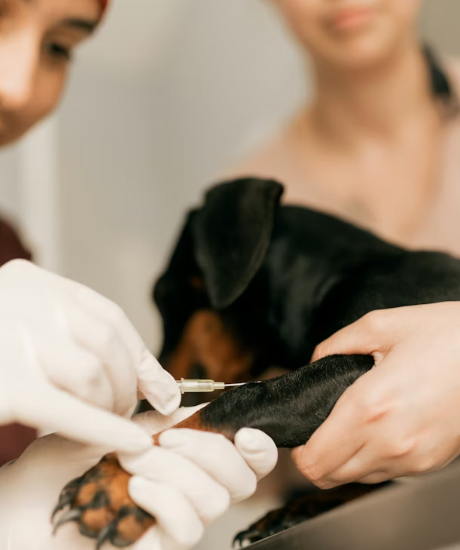
Chronic Kidney Disease (CKD) is a common condition in senior dogs, with a key characteristic: when obvious symptoms are noticed by the owner, the dog has usually lost about 75% of its kidney function. This is due to the kidneys’ strong compensatory capacity—they silently bear damage until overwhelmed, at which point symptoms appear suddenly. Fortunately, if detected early through proactive screening, CKD can be effectively controlled for months or even years, allowing dogs to maintain a good quality of life after diagnosis. Below are the core knowledge and scientific care points for chronic kidney disease in senior dogs.
I. Understanding Chronic Kidney Disease (CKD)
1. Core Functions of the Kidneys
Healthy kidneys perform five key roles: filtering toxins and metabolic waste from the blood, concentrating urine to conserve water, balancing electrolytes (sodium, potassium, phosphorus), secreting erythropoietin (for red blood cell production) and renin (for blood pressure regulation), and activating vitamin D (for calcium balance). All these functions are fully impaired when the kidneys fail.
2. Difference Between Acute and Chronic Kidney Disease
- Acute Kidney Injury (AKI): Caused by toxins (antifreeze, grapes, lilies), infection, or urinary obstruction, with sudden onset. It may be reversible with timely treatment;
- Chronic Kidney Disease (CKD): A gradual, irreversible loss of kidney function over months to years, the main type in senior dogs and the focus of this article.
3. Prevalence and High-Risk Breeds
According to the American Veterinary Medical Association (AVMA), CKD affects approximately 10% of dogs over 10 years old, making it one of the most common diseases in senior dogs. High-risk breeds include Cocker Spaniels, German Shepherds, Samoyeds, English Cocker Spaniels, Bulldogs, and Shih Tzus, but any senior dog can develop CKD.
4. Disease Progression and IRIS Staging
The kidneys have a strong reserve capacity—dogs can live normally even with only 25-30% of kidney function intact, so there are no obvious early symptoms. Veterinarians use the IRIS (International Renal Interest Society) staging system to assess the disease, with the best intervention effect in the early stages:
| Stage | Function Loss | Creatinine Level | Symptoms |
|---|---|---|---|
| Stage 1 | Less than 25% | Normal | No symptoms |
| Stage 2 | 25-50% | Mildly elevated | Subtle changes (e.g., slightly increased thirst) |
| Stage 3 | 50-75% | Moderately elevated | Obvious symptoms |
| Stage 4 | >75% | Severely elevated | Severe illness |
II. Early Warning Signs and Advanced Symptoms
1. Key Early Symptoms (Core Signals)
- Polydipsia (Increased Thirst): Drinking water frequently, emptying water bowls quickly, seeking unusual water sources (toilet water, puddles);
- Polyuria (Increased Urination): Needing to go outside more often, accidents in the house, producing large amounts of pale, dilute urine.
Core Reason: Failed kidneys cannot concentrate urine, so the body produces more urine to expel toxins, leading to increased water intake.
2. Other Early Signs
- Halitosis (Uremic Breath): Ammonia or urine-like odor from toxin buildup in the blood;
- Weight loss and muscle atrophy: Occur even with normal eating;
- Decreased appetite and intermittent vomiting: Caused by toxin-induced nausea, more obvious on an empty stomach in the morning;
- Lethargy and weakness: Reduced energy, more sleep, reluctance to exercise, hind leg weakness, difficulty standing up;
- Poor coat: Dull, dry fur with loss of luster.
3. Advanced Symptoms
In the late stages, symptoms include oral ulcers, severe vomiting and diarrhea, pale gums (anemia), seizures, complete loss of appetite, and dehydration (even with drinking water).
III. Diagnosis of Chronic Kidney Disease
Diagnosis requires a combination of tests, with sensitive indicators being the key to early screening:
1. Routine Blood Tests (Core Screening)
- Blood Urea Nitrogen (BUN): A metabolic waste filtered by the kidneys; elevation may indicate kidney disease, dehydration, or a high-protein diet;
- Creatinine: A specific indicator of kidney function; it only rises when 75% of kidney function is lost;
- SDMA (Symmetric Dimethylarginine): A more sensitive marker that detects kidney disease when only 40% of function is lost—much earlier than creatinine.
Key Tip: Annual blood tests (including SDMA) for senior dogs are the core method for early detection of kidney disease.
2. Urinalysis
- Urinary Specific Gravity (USG): Healthy kidneys produce concentrated urine (high USG); dogs with kidney disease produce dilute urine (low USG) even when dehydrated;
- Urinary Protein: Some kidney diseases cause protein loss in urine;
- Signs of Infection: Urinary tract infections are common in dogs with kidney disease and need timely investigation.
3. Other Auxiliary Tests
- Blood Pressure Monitoring: Kidney disease often causes hypertension, which further damages the kidneys and requires regular monitoring;
- Urine Protein/Creatinine Ratio (UPC): Quantifies protein loss in urine;
- Ultrasound: Evaluates kidney structure to check for tumors, stones, or other abnormalities.
IV. Management and Treatment of CKD
CKD cannot be cured or reversed, but scientific management can significantly extend a dog’s lifespan and ensure quality of life. Key measures are as follows:
1. Therapeutic Diet (Fundamental Intervention)
Prescription renal diets (e.g., Hill’s k/d, Royal Canin Renal, Purina NF) are the core of management, with key characteristics: low phosphorus (slows kidney damage), moderate high-quality protein (maintains muscle without overloading the kidneys), high Omega-3 fatty acids (reduces inflammation), low sodium (controls blood pressure), and supplemented potassium and B vitamins (compensates for nutrient deficiencies). Dogs with kidney disease on prescription diets live significantly longer than those on regular diets.
2. Scientific Hydration (Key Measure)
Dogs with CKD cannot concentrate urine and are prone to dehydration, which accelerates kidney damage. Focus on hydration: place multiple water stations, add warm water or low-sodium broth to food, use wet food instead of or with dry food; if necessary, administer subcutaneous fluids at home to replenish moisture, help flush toxins, and significantly improve the dog’s energy and appetite.
3. Targeted Interventions
- Phosphorus Management: If phosphorus levels remain high despite a low-phosphorus diet, phosphate binders (e.g., aluminum hydroxide, Epakitin) can be taken;
- Nausea and Appetite: Use antiemetics (Cerenia, Ondansetron) to relieve nausea, and appetite stimulants (Mirtazapine, Entyce) to improve appetite;
- Anemia Treatment: Advanced kidney disease is prone to anemia, which requires erythropoietin injections, iron supplements, and blood transfusions in severe cases;
- Blood Pressure Control: Use drugs such as ACE inhibitors and Amlodipine combined with a low-sodium diet to control hypertension, and regularly monitor and adjust medication.
4. Regular Monitoring and Follow-Up
Stable cases require follow-up every 3-4 months, while unstable cases need more frequent visits; monitoring items include blood tests, urinalysis, blood pressure, weight, and body condition, with treatment plans adjusted in a timely manner based on results.
V. Proactive Screening and Life Expectancy
1. Proactive Screening (Key to Early Detection)
- Screening Time: Annual screening for all dogs over 7 years old; start at 5 years old for high-risk breeds; start early and increase frequency for dogs with risk factors;
- Screening Items: SDMA test, complete urinalysis (including specific gravity), creatinine, and BUN. Combined testing is more effective for early detection.
2. Life Expectancy and Quality of Life
With standardized management, Stage 2 CKD can be maintained for several years, Stage 3 for months to over a year, and Stage 4 for weeks to months (with significant individual differences). Dogs with well-controlled CKD can remain comfortable and pain-free, eat normally, interact with their families, and have a high quality of life. When a dog shows signs of declining quality of life such as persistent refusal to eat, frequent vomiting, and loss of interest in activities, appropriate decisions should be made in conjunction with a veterinarian’s advice.
VI. Key Summary and Frequently Asked Questions
Key Summary
CKD is common in senior dogs and has no obvious early symptoms. When typical symptoms appear, 75% of kidney function is lost. Key points: Annual blood tests (including SDMA) for dogs over 7 years old; watch for early signs such as increased thirst and urination; adhere to prescription renal diets and scientific hydration; monitor regularly and adjust treatment plans. Most dogs with kidney disease can live comfortably for months or years.
Frequently Asked Questions
Q: Can a dog’s kidney disease be reversed or cured?
A: No. Chronic Kidney Disease (CKD) cannot be reversed or cured, but with scientific management such as prescription diets, fluid therapy, and medication, most dogs can maintain a good quality of life after diagnosis. Early detection (Stage 2) provides the longest treatment window.
Q: What is the SDMA blood test, and why is it needed?
A: SDMA is a sensitive kidney marker that detects kidney disease when only 40% of function is lost, months earlier than creatinine (which requires 75% function loss). Including it in senior dogs’ annual physical exams can seize the best intervention opportunity.
Q: How does subcutaneous fluid therapy help dogs with kidney disease?
A: Dogs with CKD cannot concentrate urine and are prone to chronic dehydration. Subcutaneous fluid therapy can directly replenish moisture, help flush toxins, and support kidney function. It is simple to operate, can be done at home, and can significantly improve the dog’s energy and appetite.
 SeniorPaws
Leave a comment