When a well-trained senior dog wakes up with a wet spot, or an elderly cat can’t find the litter box and has an accident, don’t be frustrated—they didn’t do it on purpose. Incontinence, the involuntary leakage of urine, is a common health issue in senior pets. The American Veterinary Medical Association (AVMA) clearly lists it as one of the key age-related changes to watch for in older pets. While it can be uncomfortable for pets and challenging for owners, in most cases, it can be effectively controlled with medication, scientific care, or a combination of both. Below is a core guide to caring for an incontinent senior pet.
I. Understanding Senior Pet Incontinence
1. What Is True Incontinence?
True incontinence is the involuntary leakage of urine by pets, which is completely different from intentional accidents (behavioral issues or inability to hold urine), cognitive impairment (forgetting house training), or territorial marking (intentionally urinating to claim territory). It usually occurs when the pet is lying down or sleeping, and the pet is completely unaware of it.
2. 7 Common Causes of Incontinence
- Urethral Sphincter Mechanism Incompetence (USMI): Most common in spayed female dogs (especially medium to large breeds). Due to decreased estrogen levels after spaying, the sphincter that controls bladder urine storage weakens. Symptoms include waking up with a wet spot, leaking urine while lying down without awareness. 85-95% of affected pets respond well to medication.
- Prostate Problems (Male Dogs): Elderly male dogs (whether neutered or not) are prone to prostate enlargement, which compresses the urethra and bladder, leading to dribbling or difficulty urinating. Treatment may include neutering, medication, or surgery.
- Arthritis and Mobility Issues: Not true incontinence, but pets struggle to get up to go to the bathroom due to joint pain, eventually leaking urine when they can’t hold it anymore. It is often accompanied by stiff movement and slow getting up, which are symptoms of arthritis.
- Cognitive Dysfunction Syndrome (CDS): Also known as “pet dementia.” Affected pets may forget to ask to go outside or the purpose of going to the bathroom. They may also get stuck in corners, stare into space, have sleep disorders, or fail to recognize their owners.
- Urinary Tract Infection (UTI): Can occur at any age, but is more common in senior pets. Infections cause frequent urination and pain, which may seem like incontinence but is actually a strong urge to urinate. Symptoms include frequent urination, blood in urine, licking the genital area, and a foul-smelling urine.
- Bladder Stones or Tumors: Masses or stones in the bladder can cause frequent urination, incontinence, and even urinary obstruction (an emergency). Diagnosis requires urinalysis and imaging tests, and treatment includes surgery or dissolution depending on the type.
- Diabetes and Kidney Disease: These diseases cause pets to produce excessive urine, exceeding the bladder’s capacity and leading to accidents. Symptoms include increased drinking, increased urination, weight changes, and appetite changes. The primary disease must be controlled first.
II. Diagnose First, Then Treat
Before treating incontinence at home, it is crucial to take your pet to the vet to identify the cause. The vet may perform the following tests: urinalysis (to check for infections and abnormalities), blood tests (to check liver and kidney function, blood sugar), X-rays or ultrasound (to identify stones and tumors), and hormone level testing (for spayed female pets). The treatment plan depends entirely on the cause—do not use medication blindly.
Core Medical Treatment Plans
- For USMI: The first choice is phenylpropanolamine (Proin), taken 2-3 times a day to tighten the sphincter, with an effectiveness rate of over 90% (Note: It may increase blood pressure and cause anxiety, and is not suitable for some pets with heart disease). Hormone therapy (such as estriol/Incurin) can also be used alone or in combination with Proin, with good tolerance and may take several weeks to take full effect.
- For Arthritis-Related Issues: Relieve pain with non-steroidal anti-inflammatory drugs, gabapentin, and other painkillers. Supplement with joint supplements such as glucosamine, chondroitin, and fish oil. Provide ramps and non-slip surfaces to help pets get up to go to the bathroom.
- For Cognitive Dysfunction: Administer prescription drugs such as selegiline (Anipryl) and supplements such as SAMe. Take the pet out to go to the bathroom more actively every few hours.
- For Urinary Tract Infections: Use antibiotics based on urine culture results. Timely treatment can prevent kidney involvement.
III. Home Care: Improve Your Pet’s Quality of Life
While medication is important, scientific home care can effectively reduce troubles and protect your pet’s health.
1. Correct Use of Diapers and Belly Bands
Belly bands are suitable for male dogs (wrapped around the abdomen with built-in absorbent pads, which need to be changed frequently); special diapers are suitable for female dogs and cats (covering the rear, with a tail opening for a comfortable fit). Key points: Change frequently to avoid skin problems caused by moisture; check the skin for irritation daily and clean the pet’s body regularly with pet wipes.
2. Prevent Skin Problems
Long-term moisture can lead to urine burns, skin infections, ulcers, etc. Keep your pet’s skin clean and dry; apply pet-safe barrier creams (such as zinc oxide, petroleum jelly) to protect the skin; trim the hair around the affected area and bathe with a mild pet-specific cleanser. If skin irritation occurs, consult a vet in time.
3. Home and Litter Box Modifications
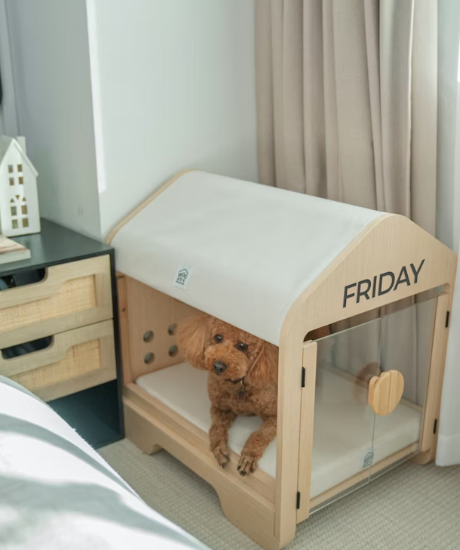
- Home Protection: Use waterproof mattresses, washable bedspreads, and pee pads, and prepare several sets for rotation. Choose elevated waterproof beds to promote air circulation.
- Litter Box Modifications (for cats): Lower the sides of the litter box to make it easier for cats with arthritis to enter and exit; place multiple litter boxes near the cat’s sleeping area and choose larger sizes to reduce the difficulty of using the bathroom.
4. Monitor Your Pet’s Quality of Life
Incontinence itself is not a reason for euthanasia. Most affected pets can live happily with proper care. If chronic painful skin problems occur, the pet is obviously uncomfortable, management is difficult, or the underlying disease worsens, communicate with the vet in time. If the pet is mentally happy, has a good appetite, normal activities, healthy skin, and effective medication, its quality of life is good.
IV. Common Mistakes: Must Avoid
- Mistake 1: Punishing Accidents—Pets don’t do it on purpose. Punishment will increase anxiety (which may worsen incontinence) and damage the bond between you and your pet.
- Mistake 2: Restricting Water Intake—Dehydration is extremely dangerous for senior pets (especially those with kidney disease). Instead of restricting water, solve the problem by increasing the frequency of going to the bathroom and strengthening care.
- Mistake 3: Ignoring the Cause—Covering up symptoms only with diapers may miss treatable diseases such as urinary tract infections and diabetes.
- Mistake 4: Leaving Wet Diapers on for Too Long—Prone to skin damage, so check and change frequently.
- Mistake 5: Giving Up Treatment Too Early—Medication may take several weeks to take effect, and care also requires adaptation. Be patient and persist to see results.
V. When to See a Vet Immediately?
Make an appointment with the vet promptly if you notice the following: new onset of incontinence, changes in the pattern of incontinence, blood in urine, difficulty urinating, signs of pain in the pet, worsening skin problems, or sudden changes in urination habits.
The Bottom Line
Incontinence in senior pets is common and troublesome, but it can be effectively controlled in most cases. Core points: First diagnose the cause, then treat targetedly (the effectiveness rate of medication for canine USMI is over 90%); do a good job in home care, use diapers reasonably, protect the skin, and modify the home; never punish the pet and pay attention to its quality of life. With the right methods, incontinence will not affect the pet’s later life, nor will it increase the owner’s burden, allowing senior pets to enjoy their golden years in comfort and dignity.
Frequently Asked Questions
Q: Is my old dog urinating everywhere on purpose, or is it uncontrollable?
A: True incontinence is involuntary. Pets usually leak urine while sleeping or lying down, not because they are disobedient or forget training. Punishment will only increase their anxiety and damage the relationship. If a well-trained old dog suddenly wets the bed, take it to the vet in time to find the root cause.
Q: Which medication is most effective for incontinence in spayed female dogs?
A: Phenylpropanolamine (Proin) is the most commonly used prescription drug, with an effectiveness rate of 85-95% for sphincter incompetence incontinence in spayed female dogs. It is taken 2-3 times a day to tighten the urethral sphincter. If Proin alone is not effective, estriol (Incurin) hormone therapy can be used in combination.
Q: Should I restrict my pet’s water intake to reduce incontinence?
A: It is not recommended to restrict water intake. Dehydration is dangerous for senior pets (especially those with potential kidney damage). The correct approach is to increase the frequency of the pet’s bathroom trips, use waterproof products for protection, and take medication as directed by the vet to solve the problem at the root.
 SeniorPaws
Leave a comment