
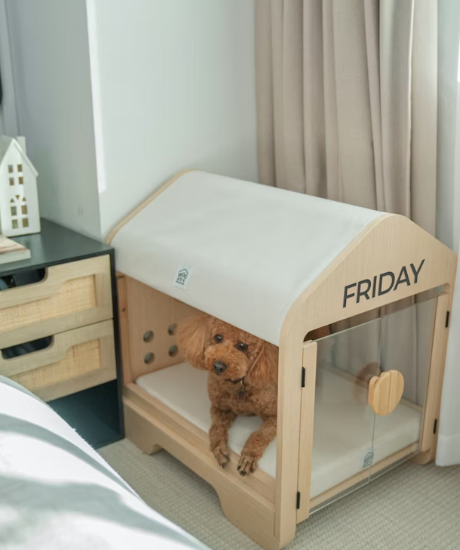
Senior pet incontinence is a common issue that many owners face. It refers to the involuntary leaking of urine, often while a pet is resting or sleeping. This guide focuses on understanding the condition and providing supportive care at home.
Common Causes of Incontinence in Senior Pets
- Weakened urethral muscles, especially in spayed female dogs
- Prostate changes in older male dogs
- Joint discomfort or mobility challenges that make reaching the toilet difficult
- Cognitive changes that affect awareness of bathroom needs
- Urinary tract irritation or infection
- Bladder stones or growths
- Metabolic conditions such as diabetes or kidney disease
How to Recognize Incontinence
Signs include small wet spots on bedding, damp fur around the urinary area, urine odor on the pet, and leaking without the pet showing awareness. It is different from intentional marking or sudden housebreaking accidents.
Steps to Support Your Senior Pet
- Provide comfortable and absorbent beddingUse washable, waterproof pads to keep resting areas clean and dry.
- Use protective garmentsDog diapers, belly bands, and pet wraps can help manage leaks and keep your home clean. Remember to change them regularly to avoid skin irritation.
- Maintain consistent bathroom routinesTake your pet outside more frequently to reduce the chance of accidents. For pets with mobility challenges, consider a low-step potty area or indoor potty pads.
- Keep the fur clean and dryGently clean the affected area to prevent skin redness or discomfort. Dry the fur thoroughly after cleaning.
- Always provide access to fresh waterDo not limit water intake, as this can lead to dehydration and other health concerns.
- Adjust your home environmentRemove obstacles that make walking difficult, use non-slip mats, and create clear paths to potty areas.
When to Seek Veterinary Evaluation
If incontinence appears suddenly, is accompanied by blood in urine, excessive drinking, pain, skin irritation, or changes in appetite and energy, professional veterinary support is recommended. A vet can help identify underlying causes and guide appropriate care.
Key Takeaways
Senior pet incontinence is often manageable with patience, consistent care, and lifestyle adjustments. With proper support, most senior pets can remain comfortable and maintain a good quality of life.
Standard Disclaimer (Add at the bottom)
This guide is for general care and safety purposes only. It is not intended to diagnose, treat, cure, or prevent any disease. Always consult your veterinarian for health-related questions.
【This guide is for general care and safety purposes only. It is not intended to diagnose, treat, cure, or prevent any disease. Always consult your veterinarian for health-related questions.】


Leave a Reply