
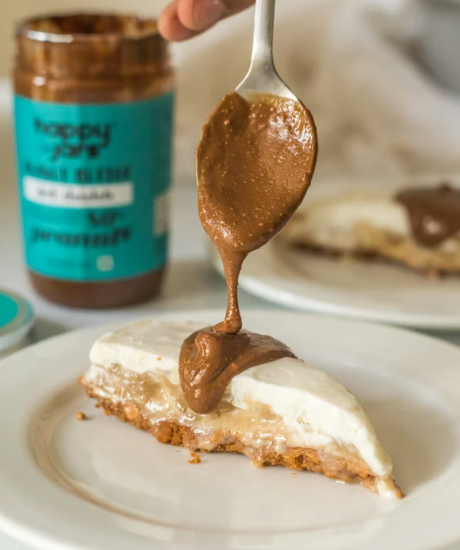
When it comes to toxic foods for dogs, you probably know about chocolate and grapes, but the most deadly toxin hidden in your kitchen and pantry is an artificial sweetener called xylitol (often labeled as “birch sugar”). Chocolate may only make your dog vomit, but xylitol can kill them within 30 minutes. More dangerously, it may be hidden in foods you regularly feed your dog (such as peanut butter), and a moment of carelessness can lead to tragedy.
I. Why Is Xylitol Fatal to Dogs?
Xylitol is completely safe for humans and cats and does not affect blood sugar, but it is a fatal threat to dogs. The core hazards come from two points:
- Insulin Surge: When a dog ingests xylitol, its pancreas mistakes it for real sugar and releases a large amount of insulin—up to 6 times the normal insulin response.
- Hypoglycemia and Liver Failure: Without corresponding sugar in the body for metabolism, insulin quickly clears all blood sugar in the dog’s body. Blood sugar levels drop to a fatal low within 15-30 minutes, making the brain unable to function normally. If the intake is high (more than 0.5 grams per kilogram of body weight), even if the blood sugar crisis is relieved, it may cause catastrophic necrosis (death) of liver tissue within 12-24 hours, eventually leading to liver failure.
II. Dangerous Dose Thresholds (Must Read)
Mastering the following doses can help you judge the danger level in an emergency and provide key reference for veterinarians:
- Hypoglycemia threshold: 0.1 grams per kilogram of body weight (0.045 grams per pound). For a 20-pound (about 9-kilogram) dog, only 0.9 grams (less than half a teaspoon) may cause hypoglycemia.
- Liver failure threshold: 0.5 grams per kilogram of body weight. A 20-pound dog ingesting about 4.5 grams may develop liver failure.
Reference: 1 piece of sugar-free gum contains 0.3-1.0 grams of xylitol. One piece may cause hypoglycemia in a 30-pound dog, and one pack may cause liver failure in a large dog.
III. Toxicity Symptom Timeline
After a dog ingests xylitol, symptoms will gradually appear, and each step is life-or-death. Be alert:
- 10-30 minutes: Vomiting (the most common initial symptom);
- 30-60 minutes: Weakness, staggering (drunk-like walking), trembling, confusion, and a sharp drop in blood sugar;
- More than 60 minutes: Seizures, fainting, coma, which can lead to death if not treated in time;
- 12-72 hours (high-dose ingestion): Even if hypoglycemia is controlled, liver enzymes may soar, and jaundice (yellowing of the gums and eyes), coagulation disorders, and ultimately liver failure may occur later.
IV. 9 Hidden Sources of Xylitol (Quick Check)
When checking food and daily necessities at home, focus on “xylitol”, “birch sugar”, “xylose” or food additive number E967 in the ingredient list. The following 9 types of items are most likely to hide xylitol:
- Peanut Butter: Regular peanut butter (such as Jif, Skippy) is usually safe, but “high-protein”, “keto”, and “low-fat” versions are likely to add xylitol. Be alert to brands such as Nuts ‘N More and Krush Nutrition. Always check the label before feeding your dog.
- Sugar-Free Gum and Mints: The most common cause of xylitol poisoning. Brands such as Ice Breakers (very high content), Trident, and Orbit all contain xylitol. One piece may cause hypoglycemia, and five pieces may lead to liver failure.
- Sugar-Free Candies and Chocolate: Some sugar-free candies (including chocolate-flavored ones) add xylitol, such as Dr. John’s and Zollipops. Avoid feeding them to dogs.
- Human Toothpaste and Mouthwash: Almost all human toothpastes (such as Colgate, Crest) and some mouthwashes (such as ACT, Listerine Zero) contain xylitol. Use dog-specific enzymatic toothpaste.
- Baking Products and Cooking Supplies: Sugar-free baking powder, pancake syrup, and keto baking sweeteners (such as Xyla, Dr. John’s Herbal) often contain xylitol. Do not feed homemade sugar-free snacks to dogs.
- Melatonin and Vitamin Gummies: Melatonin, vitamins, and fiber gummies in gummy form are mostly added with xylitol. It is recommended to use regular tablet form for dogs.
- Nasal Sprays and Medications: Some nasal sprays (such as Xlear), liquid medications (children’s cough syrup), and effervescent tablets contain xylitol. Check the inactive ingredients before use.
- Low-Fat Ice Cream/Yogurt: Low-calorie yogurt and Halo Top-style ice cream often use xylitol and other sugar alcohols, which should be avoided.
- Condiments and Sauces: Some sugar-free ketchup, barbecue sauce, and jam use xylitol instead of sugar. Always check the label when buying “no added sugar” products.
V. Emergency Steps If Your Dog Ingests Xylitol (Red Alert)
Xylitol poisoning is an emergency, and every minute counts. Do not delay. Follow these steps:
- Act immediately: Do not wait for symptoms to appear. Deal with it immediately after finding out the ingestion; delay will worsen the damage.
- Confirm the dosage: Check the xylitol content of the ingested product and take the label to the veterinarian to help them calculate the ratio of dosage to body weight.
- Temporary buffer: Before getting in the car, apply maple syrup, corn syrup, or honey to the dog’s gums to temporarily relieve blood sugar drop. If the dog appears weak on the way, repeat every 5 minutes.
- Emergency medical treatment: Immediately drive to a pet emergency room. Call the veterinarian in advance on the way to let them prepare for intravenous glucose infusion (to maintain brain survival).
- Do not induce vomiting without authorization: Unless instructed by a veterinarian, if the dog has developed neurological symptoms such as trembling and staggering, vomiting may cause aspiration pneumonia.
VI. Common Veterinary Treatment Plans
After the dog arrives at the emergency room, the veterinarian will usually take the following treatment measures, adjusted according to the time of ingestion and symptoms:
- Within 30 minutes of ingestion and the dog is awake: Induce vomiting to expel unabsorbed xylitol;
- Intravenous glucose infusion: Maintain blood sugar levels, usually for 12-24 hours;
- Blood sugar monitoring: Monitor blood sugar every 1-2 hours to ensure stable values;
- Liver function tests: Test liver enzymes at 12 hours, 24 hours, and 48 hours to check for delayed liver damage;
- Liver protection treatment: If liver enzymes rise, administer liver-protective drugs such as SAMe and Denamarin;
- Supportive treatment: Intravenous fluid therapy, antiemetics, and hospitalization for 24-72 hours according to the severity of the condition.
VII. Summary and Reminders
Xylitol is a safe sweetener for humans, but for dogs, it is equivalent to rat poison and needs strict control. According to data from the American Society for the Prevention of Cruelty to Animals (ASPCA) Animal Poison Control Center, xylitol is one of the top ten common pet toxins reported every year, and the number of poisoning cases is increasing with the popularity of sugar-free products.
Dog-owning families must: place xylitol-containing products on high shelves or in locked cabinets, do not place them casually where dogs can reach; regularly check the pantry, bathroom, and bedside table at home, and clean up hidden dangers in time. A simple label check may save your dog’s life.
Frequently Asked Questions
Q: How much xylitol is dangerous for a dog to ingest?
A: Even a very small amount can be fatal. 0.1 grams per kilogram of body weight can cause hypoglycemia, and 0.5 grams may lead to liver failure. For a 20-pound dog, 1-2 pieces of sugar-free gum containing xylitol may cause a life-threatening emergency within 15-30 minutes.
Q: Is xylitol toxic to both cats and dogs?
A: No, xylitol is basically safe for cats because cats lack the mechanism that dogs have to produce an insulin response to xylitol. However, products containing xylitol may contain other ingredients harmful to cats, so it is recommended to keep all pets away from sugar-free products.
Q: What should I do immediately if my dog ingests food containing xylitol?
A: Immediately apply maple syrup, corn syrup, or honey to the dog’s gums to temporarily buffer blood sugar, then drive to the emergency veterinarian immediately. Do not wait for symptoms to appear. Call the veterinarian in advance to let them prepare for intravenous glucose infusion. Delay may cause irreversible damage.
 SeniorPaws
Leave a comment