Xylitol is a sugar alcohol widely used as a sugar substitute in human products. For dogs, however, it is extremely toxic and can be life-threatening even in very small amounts. Understanding its dangers and hidden sources can help keep your senior dog safe.
Why Xylitol Is So Dangerous for Dogs
When a dog ingests xylitol, the body mistakes it for sugar and releases a large surge of insulin. This quickly causes blood sugar to drop to dangerously low levels, a condition that can become severe very rapidly.
In higher amounts, xylitol can also lead to serious liver changes, which may be life-threatening.
Toxic Doses
Even small quantities can cause problems:
- As little as 0.1g per kg of body weight may lead to low blood sugar
- 0.5g per kg or more may be linked to severe liver concernsFor small dogs, just one piece of sugar-free gum can be enough to cause serious issues.
Signs to Watch For
Symptoms usually appear quickly, often within 10 to 60 minutes:
- Vomiting
- Weakness or unsteadiness when walking
- Lethargy or collapse
- Tremors or seizures
- In severe cases, yellowing of gums or skin
Hidden Sources of Xylitol
Many everyday products contain xylitol, often without obvious labeling:
- Sugar-free gum, mints, and candies
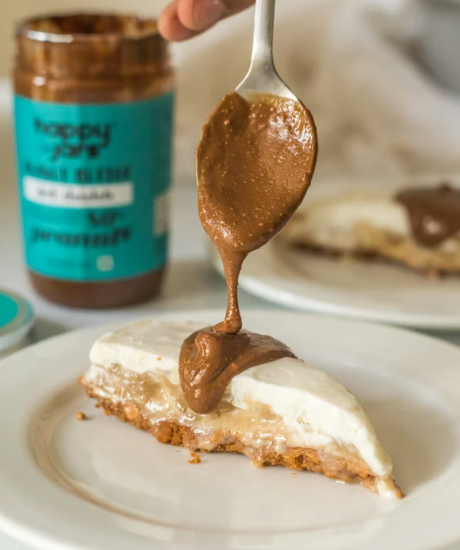
- Some peanut butter and nut butters (especially low-sugar or keto versions)
- Toothpaste, mouthwash, and dental products
- Sugar-free baked goods, snacks, and syrups
- Chewable vitamins, melatonin gummies, and supplements
- Some nasal sprays and liquid medications
- Low-sugar yogurts, protein bars, and sauces
What to Do If You Suspect Xylitol Ingestion
Time is critical. If you believe your dog has eaten anything containing xylitol:
- Act immediately — do not wait for symptoms to appear.
- Contact an emergency veterinary clinic right away and inform them of the situation.
- Follow professional guidance only — do not induce vomiting without instruction.
- If your dog is weak, a small amount of maple syrup or honey on the gums may provide temporary support while traveling to the vet.
Veterinary Support
Your vet will provide prompt supportive care, which may include:
- Early decontamination when appropriate
- Intravenous fluids to stabilize blood sugar
- Ongoing monitoring of liver values and overall condition
- Hospitalized care as needed
Key Prevention Tips
- Always check labels for xylitol before sharing human food.
- Keep gum, candy, vitamins, and oral care products out of reach.
- Choose pet-safe peanut butter and treats without sugar alcohols.
- Be extra careful with senior dogs, who may be less active and more likely to find dropped items.
【Disclaimer:This guide is for general care and safety purposes only. It is not intended to diagnose, treat, cure, or prevent any disease. Always consult your veterinarian for health-related questions.】


Leave a comment